CBN Removes Cash Deposit Limits, Retains Withdrawal Restrictions from January 2026
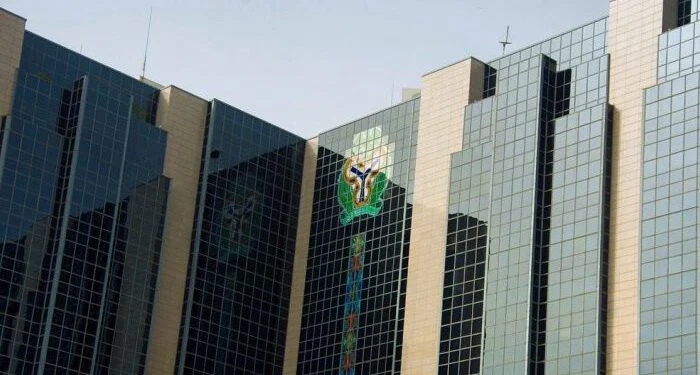
The Central Bank of Nigeria (CBN) has announced a major shift in its cash-related policies, removing all limits on cash deposits while maintaining strict withdrawal ceilings. The new rules, which take effect on January 1, 2026, were disclosed in a circular signed by Dr. Rita Sike, Director of Financial Policy and Regulation.
According to the apex bank, the revised framework was created “to reflect present-day realities” and streamline cash handling across the financial sector.
Deposit Limits Abolished Nationwide
A key highlight of the policy is the complete removal of the cumulative cash deposit limit. This means customers can now deposit any amount of cash without paying additional charges.
The CBN stated that “the cumulative deposit limit is hereby removed and the fee for excess deposit shall no longer apply,” marking the end of fees imposed on large deposits.
Previously, in 2019, the CBN introduced charges on cash deposits and withdrawals as part of efforts to promote the cashless policy. Though the charges were initially suspended in 2023, the new circular officially scraps them.
Withdrawal Limits Remain in Place
While deposit restrictions have been lifted, the CBN retained its weekly withdrawal limits:
Individuals: N500,000 weekly across all channels
Corporate bodies: N5 million weekly
Withdrawals above these limits will attract 3% (individuals) and 5% (corporates) on the excess amounts, shared between the CBN and the banks in a 40:60 ratio.
Special approvals for higher monthly withdrawals have also been cancelled. ATM withdrawals remain capped at N100,000 daily and N500,000 weekly, and all ATM and PoS withdrawals count toward the weekly limit.
The over-the-counter limit for third-party cheques remains N100,000.
Additional Compliance Measures
Banks must now submit monthly reports on transactions above the withdrawal limits and maintain internal accounts for storing charges collected on excess withdrawals. Some exemptions remain for government revenue accounts, microfinance banks, and primary mortgage banks. However, embassies, diplomatic missions, and aid agencies are no longer exempt.
“These adjustments are necessary to strengthen Nigeria’s cash management framework and align financial policies with current economic realities,” the CBN stated.
The new policy offers Nigerians more freedom to make large cash deposits while maintaining strong controls on withdrawals to discourage cash hoarding and support the digital economy. As the changes roll out in 2026, bank customers and businesses are encouraged to adjust their operations accordingly.