Don’t Buy Petrol Above ₦739/Litre — How Nigerians Can Benefit from Dangote Refinery’s New Price Initiative
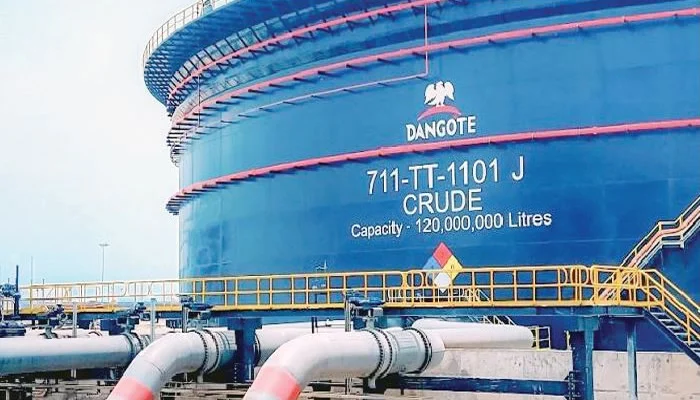
Dangote Petroleum Refinery has announced that Premium Motor Spirit (PMS) refined locally is now sold at ₦739 per litre across MRS Oil Nigeria Plc filling stations nationwide. This move is aimed at easing the financial burden on Nigerians, especially during the festive period, and stabilising fuel prices across the country.
Why This Matters to Nigerians
With fuel prices affecting transportation, food costs, and daily living, this price reduction offers real relief. Dangote Refinery also confirmed it is supplying up to 50 million litres of petrol daily, meaning scarcity should not be an excuse for inflated prices.
By refining fuel locally, Nigeria reduces dependence on imports, saves foreign exchange, supports the naira, and strengthens national energy security.
How Nigerians Can Be Part of This Initiative
To protect consumers and ensure fairness, Dangote Refinery has launched a dedicated hotline for reporting any MRS filling station selling petrol above ₦739 per litre.
Here’s what to do:
- Buy petrol only from MRS filling stations.
- Confirm the pump price before purchase.
- If the price is above ₦739 per litre, do not buy.
- Call the hotline: 0800 123 5264 to report the station.
- Share accurate information with others to stop exploitation.
This simple action helps ensure that the benefits of the price reduction reach everyone.
Warning to Marketers
The refinery has warned against artificial scarcity or supply manipulation, describing such actions as unpatriotic. Regulatory agencies have also been urged to take firm action against any marketer frustrating the price reduction.
“We encourage Nigerians to avoid purchasing PMS at inflated prices when locally refined fuel is available at ₦739 per litre. Together, we can ensure that the benefits of this price reduction reach every consumer.”
This initiative empowers Nigerians to pay less, report unfair practices, and protect their wallets. By staying informed and speaking up, consumers play a key role in building a fairer fuel market and supporting Nigeria’s economic recovery.