Controversy Over Nigeria’s New Tax Laws Intensifies Ahead of 2026 Rollout
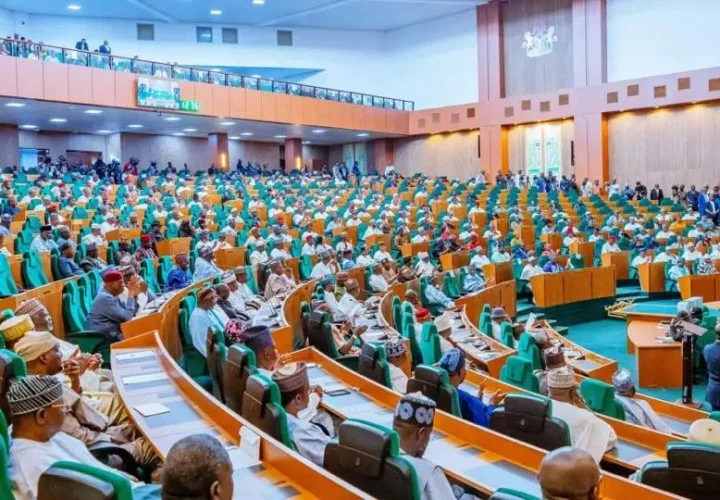
House of Representative
Opposition to Nigeria’s newly enacted tax laws escalated on Monday as the Minority Caucus of the House of Representatives and the National Association of Nigerian Students (NANS) called for an immediate halt to their rollout. The controversy centers on allegations that the versions of the tax laws gazetted by the Federal Government differ from those passed by the National Assembly and signed by President Bola Tinubu. The Minority Caucus warned that enforcing altered laws would violate the Constitution.
A Peoples Democratic Party lawmaker, Abdussamad Dasuki, had earlier flagged discrepancies between the laws passed in the National Assembly and those later gazetted, prompting the House to set up a seven-man ad hoc committee led by Muktar Betara to investigate.
Concerns Over Public Awareness and Transparency
In a joint statement, Minority Leader Kingsley Chinda and other caucus members stressed that Nigerians and the business community are entitled to authentic copies of the tax laws. They urged the Federal Government to suspend implementation pending investigation.
NANS echoed these concerns, highlighting inadequate public education on the reforms. National President Olushola Oladoja criticized the Federal Inland Revenue Service for relying on select social media influencers rather than conducting an inclusive, nationwide sensitisation campaign. He warned that failure to suspend the law by January 14, 2026, could trigger nationwide student protests.
“A law whose authenticity is now under investigation cannot, in good conscience, be implemented,” Oladoja said, emphasizing the need for clarity and public trust.
Federal Government Maintains January 1 Deadline
Despite mounting opposition, the Federal Government affirmed its commitment to the January 1, 2026, commencement. Taiwo Oyedele, Chairman of the Presidential Committee on Fiscal Policy and Tax Reforms, stated that implementation of the Nigeria Tax Act and the Nigeria Tax Administration Act would proceed as scheduled.
Judicial Intervention
The legal battle formally reached the courts when the FCT High Court granted accelerated hearing of a suit challenging the laws’ authenticity and proposed implementation. The case, filed by the African Initiative for Abuse Public Trustees, names the Federal Government, Attorney-General, Senate President, Speaker of the House, and National Assembly as respondents. While the court allowed the suit to proceed, it declined to stop the Federal Government from implementing the laws, setting the next hearing for Wednesday, December 31.
As the clash between lawmakers, civil groups, students, and the executive unfolds, uncertainty surrounds the rollout of Nigeria’s most significant tax reforms in decades. The coming weeks will be critical in determining whether the laws are implemented smoothly or revised to address constitutional and public concerns.