Court Grants Angela Okorie ₦5m Bail in Cyberstalking Case: Key Lessons for Nigerians on Social Media Use
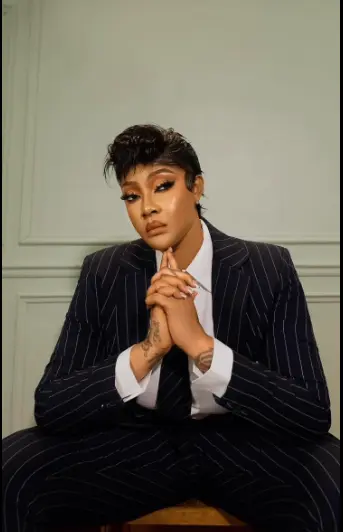
Actress Angela Okorie
A Federal High Court in Abuja has granted Nollywood actress, Angela Okorie, bail in the sum of ₦5 million over a seven-count charge linked to alleged cyberstalking, threats and online harassment.
The actress is being prosecuted under the Cybercrimes (Prohibition, Prevention, etc.) Act. According to the prosecution, she allegedly posted offensive and threatening messages on her social media platforms between 2024 and 2025, which were said to be directed at a fellow actress.
At the hearing, the prosecution informed the court that an amended charge dated January 30, 2026, had been filed. The defence confirmed receipt of the charge, after which the defendant pleaded not guilty to all counts.
Why this case matters to social media users
The charges highlight how posts made online can attract serious legal consequences. Under Nigerian law, messages shared on digital platforms can be treated as criminal offences if they are considered threatening, harassing or capable of causing public disorder.
This case reminds Nigerians that social media is not a private space. Every post, comment or video can be used as evidence in court.
What the court decided
In his ruling, Justice Emeka Nwite granted the actress bail and stated that there was no clear proof that she would jump bail.
According to the court:
“There is no concrete evidence before this court to show that the defendant would evade trial.”
The court granted bail in the sum of ₦5 million with one surety of the same amount. The surety must be a Grade Level 13 civil servant who will submit an affidavit of means and official documents.
The defendant will remain in custody until all bail conditions are met. The case was adjourned until March 23, 2026, for continuation of trial.
Lessons for Nigerians
This case shows that online arguments, emotional posts and public accusations can lead to criminal charges. Nigerians, especially young people and content creators, should learn to use social media responsibly, avoid harassment, and verify information before posting.
The Angela Okorie case serves as a strong reminder that digital freedom comes with legal responsibility. As social media continues to shape public conversations in Nigeria, users must understand that the law can hold them accountable for what they post online.