Hackathon Channels Funding and Skills into Student Tech Startups in Nigeria and Ghana
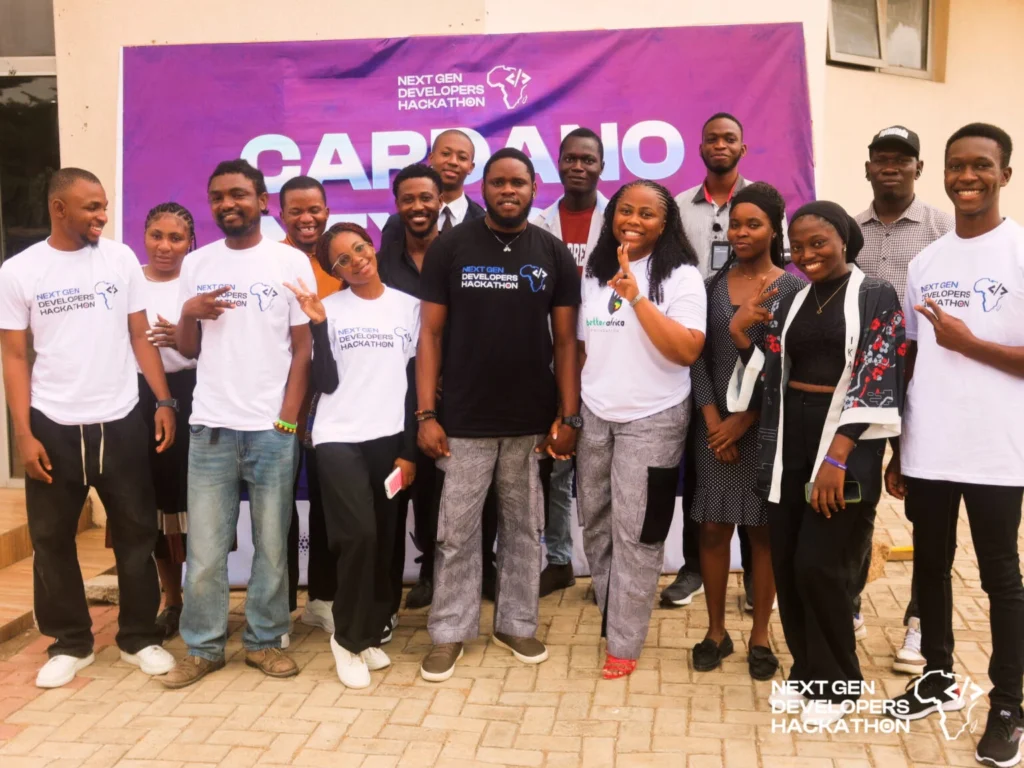
Photo credit :Better Africa Foundation
Africa’s innovation space is getting a fresh boost as 775 young developers from Nigeria and Ghana took part in the NextGen Developers Hackathon 1.0 — a programme created to support students and early-stage tech founders who are often left out of major competitions.
The hackathon was organised by the Better Africa Foundation, in partnership with Cardano’s Project Catalyst and Remostart, and was designed mainly for undergraduates and young developers building real solutions for Africa.
Why this hackathon matters
Many African students graduate every year but struggle to find industry-ready jobs. At the same time, the continent still depends heavily on imported technology.
This initiative was created to close that gap by helping students:
build real digital products,
work with industry tools like blockchain and smart contracts, and
access early funding to grow their ideas.
According to the organisers, the programme also supports the United Nations Sustainable Development Goals on education, decent jobs and innovation.
What the students built
Within a few weeks, 19 teams developed blockchain-based solutions from scratch.
Out of them, nine teams reached the final pitching stage, while three teams won funding:
₦5 million – First place
₦3 million – Second place
₦2 million – Third place
Some of the winning ideas include:
K33P – a digital safe that helps families securely transfer crypto assets and sensitive digital information.
EcoReport – a climate reporting platform that allows people to report extreme weather in data-poor areas and earn eco-tokens.
SafeNest – a security and asset-protection solution for real estate.
QUOTE
“Early investment in youth innovation is central to building sustainable economic value for Africa,”
— Duke Peter, Founder, Better Africa Foundation.
More than prize money
Organisers explained that the funding is not just about cash. For second- and third-year students, it serves as early validation that can open doors to grants, scholarships, fellowships and future startup funding.
The programme reached developers from 15 Nigerian states, with 256 participants attending physically in Lagos, despite challenges such as poor internet access and cross-city coordination.
Participants also received training in open-source collaboration, product design and smart-contract development — key skills for Africa’s digital future.
The NextGen Developers Hackathon shows that when young people are given access to skills, tools and funding, they can build practical solutions for Africa’s biggest problems. Students, universities and youth organisations are encouraged to follow and participate in similar programmes to become part of Africa’s growing innovation pipeline.