Delta Air Lines Raises Salaries After $1.3 Billion Profit: What It Means for Workers Globally
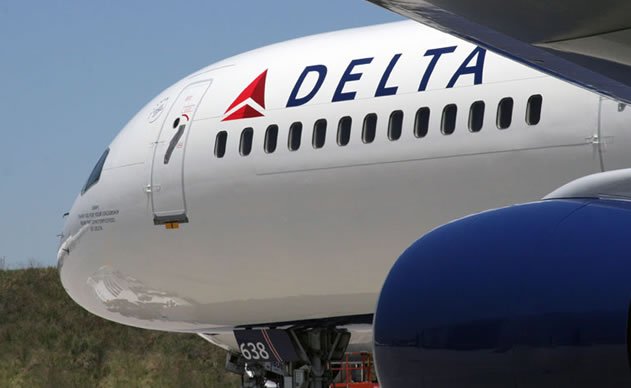
Delta Strengthens Workforce Investment Strategy
Delta Air Lines has announced a 4% salary increase for eligible employees worldwide, reinforcing its commitment to rewarding staff despite rising operational challenges in the aviation industry.
The announcement, made by CEO Ed Bastian, follows a massive $1.3 billion profit-sharing payout distributed earlier this year—reportedly larger than the combined payouts of other airlines.
According to insights from Fortune and Great Place To Work, Delta continues to rank among the top companies prioritizing employee satisfaction and compensation.
Key Highlights of the Salary Increase
4% Pay Raise Across Workforce
The new increase applies to eligible global staff and represents an additional $50 million annual investment in employees.
Five Consecutive Years of Pay Growth
This marks Delta’s fifth straight annual salary increase, showing consistency in employee-focused policies.
Profit-Sharing Success Model
The airline continues to operate a shared-success model, linking company performance directly to employee rewards through:
Salary increases
Annual bonuses
Profit-sharing payouts
A Closer Look at Delta’s Employee Compensation Strategy
Over the past five years, Delta has increased compensation by an average of 30% across major frontline roles. This approach has helped the airline maintain:
High employee morale
Strong operational performance
Industry-leading customer service
“Caring for our people is the heart of Delta’s culture. This core value guides our approach to making consistent and meaningful investments in you and your colleagues.” — Ed Bastian
Industry Challenges: Why This Move Matters
The global aviation sector continues to face significant pressures, including:
Rising Fuel Costs
Fluctuating oil prices continue to impact airline profitability.
Supply Chain Disruptions
Aircraft maintenance and parts availability remain inconsistent.
Labour and Staffing Pressures
Airlines are dealing with workforce shortages and increasing wage demands.
Despite these challenges, reports from Fortune confirm that Delta remains financially resilient and operationally strong, positioning it ahead of many competitors.
Recognition for Workplace Excellence
Delta’s strong employee-first culture has earned it a spot on the Fortune 100 Best Companies to Work For list, compiled by Great Place to Work.
Notably, it is the only commercial airline included in the top 10, highlighting its leadership in:
Employee satisfaction
Workplace culture
Compensation strategy
What Other Companies Can Learn
Delta’s approach offers key lessons for businesses globally:
Investing in employees boosts performance
Linking pay to company success increases motivation
Consistent rewards build long-term loyalty
For Nigerian businesses and organizations, this model highlights the importance of prioritizing workforce welfare to drive growth and productivity.
Delta Air Lines’ decision to raise salaries after a $1.3 billion profit payout underscores a powerful message: companies that invest in their people often achieve stronger, more sustainable success.
Even in a challenging global environment, Delta continues to set the standard for balancing profitability with employee well-being, making it a benchmark for organizations worldwide.