FirstBank and Visa Launch New Debit Cards to Make Cashless Payments Easier for Nigerians
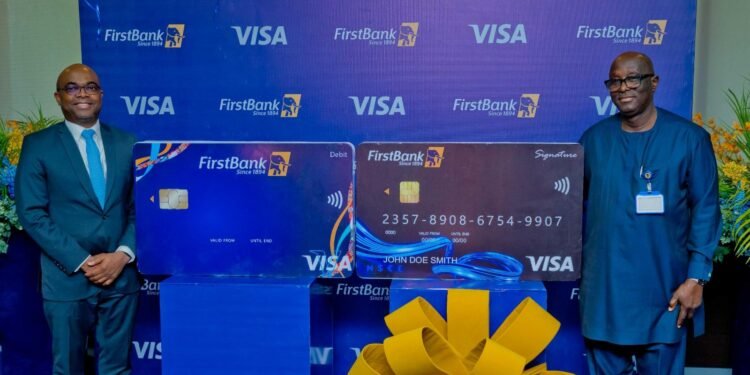
FirstBank Introduces Visa Signature and Naira Debit Cards
First Bank of Nigeria, in partnership with Visa, has launched two new payment cards designed to improve digital banking and support Nigeria’s growing cashless economy.
The newly introduced Visa Signature Card is targeted at premium customers, while the Naira Visa Debit Card is designed to give everyday Nigerians easier access to secure digital payments.
The launch took place at FirstBank’s headquarters in Lagos and reflects the bank’s commitment to financial inclusion, convenience, and modern banking solutions.
How the New Cards Can Benefit Nigerians
1. Easier Everyday Payments
The Naira Visa Debit Card allows customers to make payments easily through:
ATMs
POS terminals
Online shopping platforms
Mobile and digital banking services
This means Nigerians can pay for groceries, transport, utility bills, subscriptions, and online purchases without relying heavily on cash.
The card is also affordable, with a reported cost of about ₦1,000, making it accessible to more people.
2. Better Security for Digital Transactions
Cashless payments reduce the risks linked to carrying large amounts of cash. With the Visa-powered cards, customers can enjoy:
Secure online transactions
Safer payment authentication
Reliable international payment support
Protection against some forms of payment fraud
As digital banking continues to grow in Nigeria, secure payment systems are becoming more important for individuals and businesses.
3. Financial Inclusion for More Nigerians
The launch of the Naira Visa Debit Card supports financial inclusion by helping more Nigerians access electronic payment systems.
For small business owners, traders, students, and salary earners, digital payment access can improve convenience and help them participate fully in the modern economy.
According to FirstBank officials, the goal is to make digital payments simple, rewarding, and available to everyone.
Premium Benefits for High-Income Customers
The Visa Signature Card is tailored for affluent customers who frequently travel or make premium purchases.
Some of its benefits include:
Global travel privileges
Exclusive lifestyle offers
Curated merchant discounts
International payment convenience
Premium customer experiences
The card also strengthens global connectivity for Nigerian customers who engage in international business and travel.
“Everyday transactions should be simple, secure, and rewarding.” -Chuma Ezirim, Group Executive for eBusiness & Retail Products at FirstBank
He explained that the Naira Visa Debit Card is designed to make payments easier while supporting Nigeria’s transition toward a cashless economy.
Andrew Uaboi, Visa’s Vice President and Cluster Head for West Africa, also noted that the partnership would help expand reliable electronic payment access for millions of Nigerians.
FirstBank’s Expansion Plans
The launch comes shortly after reports that First HoldCo Plc, the parent company of FirstBank, plans to raise over ₦253 billion to strengthen its operations and support future expansion.
This move shows the bank’s continued investment in digital banking, customer experience, and financial technology solutions in Nigeria.
Why Cashless Payments Matter in Nigeria
Cashless payments offer several advantages, including:
Faster transactions
Reduced banking stress
Better financial tracking
Improved business operations
Increased financial transparency
Safer handling of money
As more Nigerians embrace digital banking, initiatives like these could help improve financial access across both urban and rural communities.
The launch of the Visa Signature Card and Naira Visa Debit Card by FirstBank and Visa is a major step toward improving digital banking in Nigeria. While premium customers gain access to exclusive global benefits, everyday Nigerians can also enjoy easier, safer, and more affordable electronic payments.
As Nigeria continues to move toward a cashless economy, innovations like these may help individuals, businesses, and communities experience more convenience, security, and financial inclusion.