Dangote’s New Olokola Seaport Project: How Nigerians, Businesses, and Communities Could Benefit
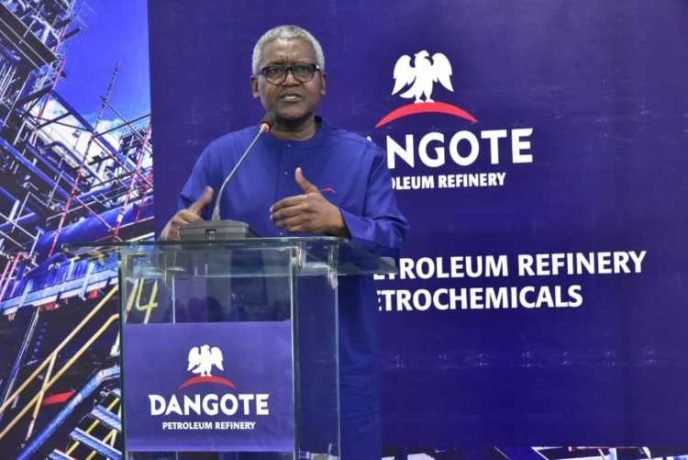
Nigeria may soon witness another major industrial transformation as Dangote Industries Limited begins plans for a multi-billion-dollar deep seaport project at the Olokola Free Trade Zone in Ogun State.
The proposed seaport, which will cover more than 10,000 hectares, is expected to improve trade, create jobs, boost exports, and support economic growth across Ogun State, Ondo State, and Nigeria as a whole.
The project is also part of the company’s Vision 2030 plan aimed at expanding logistics, maritime infrastructure, and industrial development across Africa.
What Nigerians Should Know About the Olokola Seaport Project
The proposed deep seaport will be located along the Atlantic coastline, stretching from Ogun Waterside Local Government Area in Ogun State toward Ilaje Local Government Area in Ondo State.
According to Dangote Industries, the port is designed to become a major gateway for:
Exporting Nigerian products
Importing heavy industrial equipment
Supporting regional trade in Africa
Reducing pressure on existing ports in Nigeria
Improving logistics and transportation
The company also explained that the seaport would support the export of fertilisers, petrochemicals, and refined petroleum products while helping future liquefied natural gas exports.
This means Nigeria could earn more foreign exchange while strengthening its position in African and global trade.
How the Project Could Benefit Nigerians
1. Job Creation Opportunities
One of the biggest benefits expected from the project is employment.
Construction, transportation, logistics, security, marine operations, and other sectors are likely to create thousands of direct and indirect jobs for Nigerians.
Local businesses such as food vendors, artisans, transport operators, and suppliers may also benefit economically from increased commercial activities in the area.
2. Economic Growth for Ogun and Ondo States
Host communities in Ogun and Ondo states could experience improved development through:
Better road networks
Increased investments
Growth in local businesses
Improved commercial activities
More government revenue
Communities around the project area may also gain from compensation arrangements and infrastructure development linked to the project.
3. Boost for Nigeria’s Export Trade
The project could help Nigeria reduce dependence on crude oil by improving export opportunities for locally produced goods and industrial products.
Experts believe stronger port infrastructure can help Nigerian businesses compete better within Africa under the African Continental Free Trade Area agreement.
Community Leaders Welcome the Project
Traditional rulers in the affected communities have already expressed support for the initiative.
The Lenuwa of Ode-Omi, Oba Folailu Adekunle Hassan, welcomed the project and encouraged the company to move forward with development activities.
“We have been expecting you for a long time. It is good that you are here today. Do your best, and we will all benefit from this process.”
The Alara of Araromi Seaside Kingdom also pledged support for the project, describing it as a major opportunity for development and growth.
Why This Project Matters for Nigeria
Nigeria has long struggled with congestion at existing ports, delays in cargo movement, and rising logistics costs.
If properly executed, the Olokola Deep Seaport could:
Reduce congestion at major ports
Improve international trade efficiency
Attract foreign investors
Increase Nigeria’s competitiveness
Strengthen industrialisation efforts
The project also highlights the growing importance of private sector investment in solving infrastructure challenges in Nigeria.
The planned Olokola Deep Seaport project by Dangote Industries could become one of Nigeria’s most important infrastructure developments in the coming years.
Beyond business expansion, many Nigerians are hopeful that the project will create jobs, improve trade, support local communities, and contribute to long-term economic growth.
If successfully implemented, the seaport may help position Nigeria as a stronger maritime and industrial hub in Africa.