How COVID-19 Investments Are Helping Nigeria Prepare for Future Health Emergencies
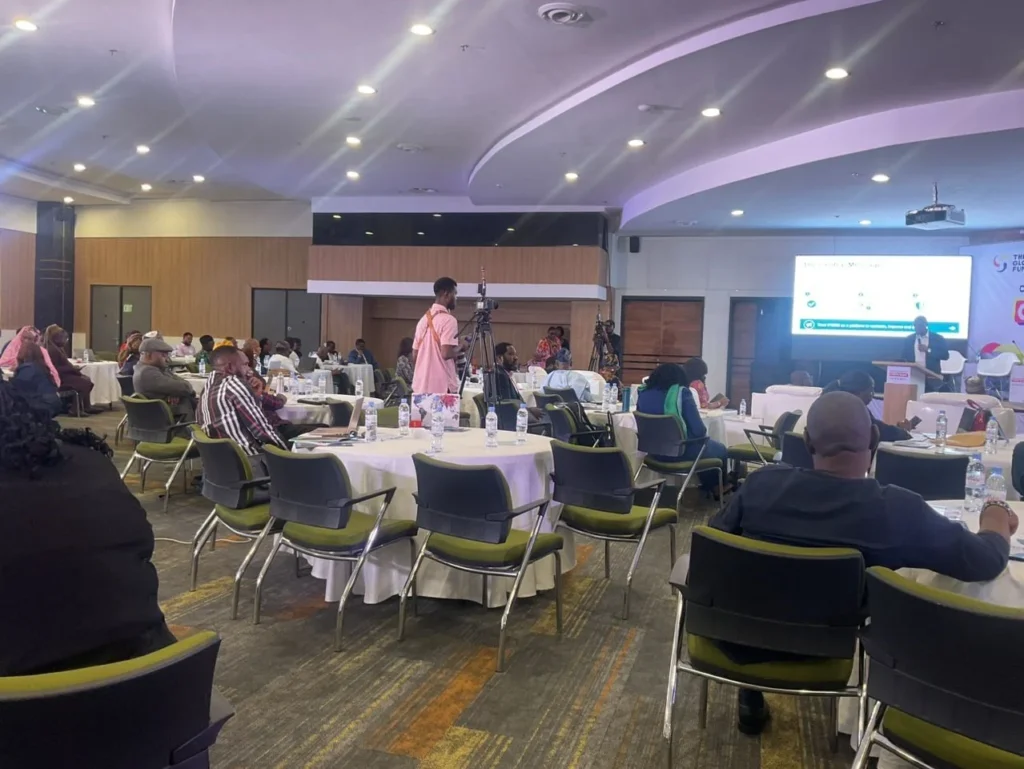
Photo Credit :PUNCH
The Federal Government and its development partners have reviewed the impact of COVID-19 investments in Nigeria, highlighting how they have improved the country’s ability to respond to future disease outbreaks and public health emergencies.
At a recent meeting in Abuja themed “Managing Partners’ Response, Celebrating Lessons and Shaping the Future,” stakeholders stressed the need to sustain the progress achieved through the COVID-19 response programme.
Major Improvements in Nigeria’s Health System
According to health officials, the COVID-19 intervention funded critical improvements in:
- Disease surveillance systems
- Public health laboratories
- Oxygen-generation infrastructure
- Emergency preparedness centres
- Healthcare supply chains
- Community health services
These investments have strengthened Nigeria’s health system and improved its readiness to detect and respond to emerging diseases.
“Because of the lessons learned from COVID-19, we are no longer in panic mode. We are now better prepared to respond to public health emergencies.” — Dr. Temitope Ilori, Director-General, NACA
How Nigerians Can Benefit
The long-term benefits extend beyond COVID-19.
Improved laboratory networks mean faster disease detection. Better oxygen infrastructure can support patients with respiratory illnesses. Stronger surveillance systems help health authorities identify outbreaks earlier, reducing the risk of widespread infections.
The upgraded healthcare facilities and emergency response systems can also improve healthcare delivery in both urban and rural communities.
Why Sustainability Matters
Stakeholders emphasized that maintaining these investments is crucial. Over 20 health warehouses were upgraded, laboratories modernized, and Public Health Emergency Operations Centres strengthened across several states.
Experts believe these systems will play a key role in responding to future threats such as Ebola, Lassa Fever, cholera outbreaks, and other public health emergencies.
For more information on health security and disease preparedness, visit:
Nigeria’s COVID-19 response investments have created lasting improvements in health infrastructure, disease surveillance, and emergency preparedness. Sustaining these gains will help protect millions of Nigerians, strengthen healthcare delivery, and improve the country’s ability to respond quickly to future epidemics and pandemics.