NLC Declares ₦70,000 Minimum Wage a ‘Poverty Wage’
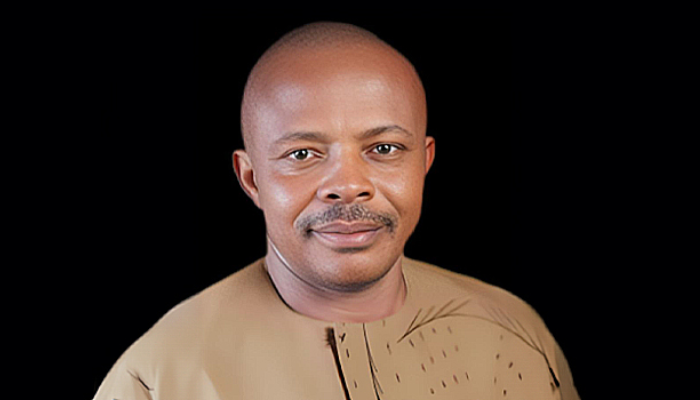
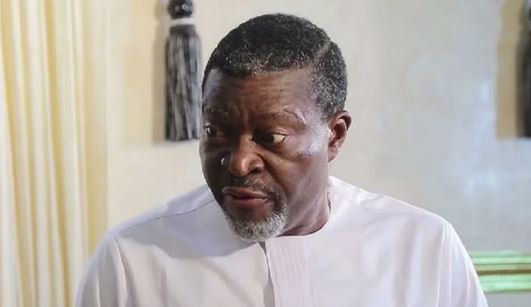
Joe Ajaero, president of the Nigeria Labour Congress (NLC)
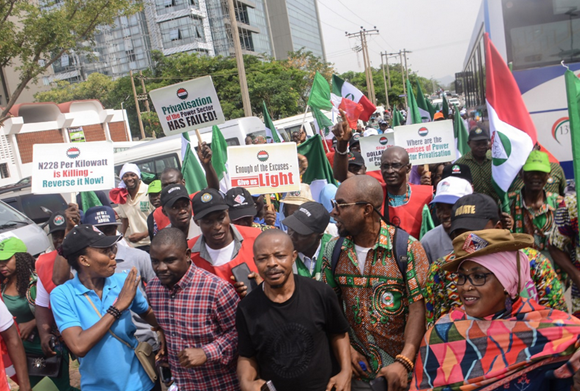
The Nigeria Labour Congress (NLC) has described the current ₦70,000 minimum wage as a “poverty wage,” saying it no longer reflects Nigeria’s economic realities due to rising inflation and the increasing cost of living.
Speaking during the opening of the Workers’ Solidarity Centre in Uyo, Akwa Ibom State, NLC President Joe Ajaero announced that organised labour is preparing for fresh wage negotiations aimed at securing a dignity wage that allows workers to meet their basic needs.
Why the NLC Wants a New Wage
According to Ajaero, the goal is to replace the current minimum wage with a living wage that enables workers to afford food, housing, healthcare, transportation, and education for their families.
He urged labour unions across Nigeria to remain united during the negotiations and insist on wages that reflect the country’s current economic conditions.
Labour Laws and Workers’ Rights
The NLC also called on the Federal Government to send the reviewed Labour Bills to the National Assembly without further delay. According to the union, updated labour laws would strengthen workers’ rights, improve workplace protection, and align Nigeria with international labour standards.
The Congress further expressed concern over reports of restrictions on workers’ rights, including collective bargaining and union activities.
What This Means for Nigerians
If organised labour succeeds in securing a higher wage, millions of workers could benefit from improved earnings. However, the outcome will depend on negotiations between the government, employers, and labour representatives.
Workers are encouraged to stay informed through official labour announcements and understand how future wage agreements may affect salaries and employment conditions.
Useful Links
- Nigeria Labour Congress: https://www.nlcng.org
- Federal Ministry of Labour and Employment: https://labour.gov.ng
- International Labour Organization (ILO): https://www.ilo.org
“A fair wage should not only pay salaries—it should give workers the dignity to provide for themselves and their families.”
The NLC’s declaration signals the beginning of another major conversation about workers’ welfare, living wages, and Nigeria’s economic future. As negotiations unfold, the decisions reached could have lasting effects on public and private sector employees across the country. Staying informed through official sources will help workers understand any changes that may arise.