Africa’s Electricity Revolution: How Mission 300 Will Power 300 million People and Transform Lives by 2030
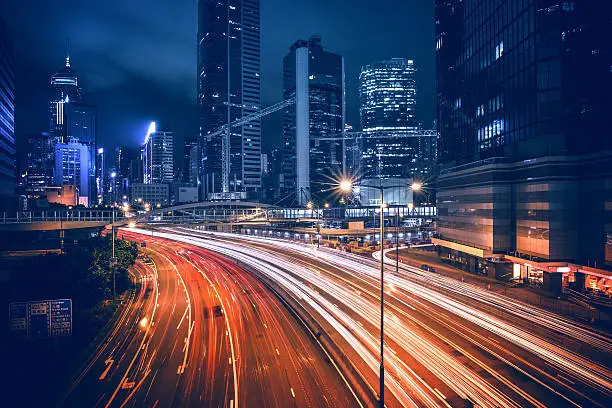
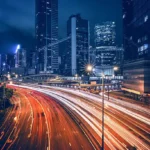
African city night lights
A major energy transformation is unfolding across Africa, and it could change the future of businesses, schools, hospitals, and millions of households.
Through the Mission 300 initiative, the World Bank, African Development Bank, and global partners are working to connect 300 million Africans to electricity by 2030, one of the biggest development projects on the continent today. Nearly 600 million people in Sub-Saharan Africa still live without electricity, making this project a game changer for economic growth and quality of life. (African Development Bank)
For millions of Africans, reliable electricity is more than just light. It means better education, safer healthcare, improved food storage, lower business costs, and more job opportunities.
What Is Mission 300?
Mission 300 is a continent-wide electricity access programme led by the World Bank Group and the African Development Bank (AfDB), with support from partners like the Rockefeller Foundation and Sustainable Energy for All.
The goal is simple but powerful: cut Africa’s electricity access gap in half by connecting 300 million people by 2030. (African Development Bank)
The initiative combines:
- national grid expansion
- solar mini grids
- off-grid renewable systems
- private sector investment
- country-led energy reforms
This means both urban and rural communities can benefit.
Why Reliable Electricity Matters to Everyday People
Electricity affects almost every part of life.
1) It Helps Small Businesses Grow
Reliable power helps barbers, tailors, cold-room owners, cybercafés, welders, and food vendors work longer hours without spending heavily on petrol or diesel generators.
This reduces business costs and increases profits.
2) It Improves Online Learning
Students can charge phones and laptops, access online classes, study at night, and use digital learning tools without interruption.
This is especially important for young Africans building tech and remote work skills.
3) It Strengthens Hospitals and Clinics
Hospitals need stable electricity for:
- storing vaccines
- running life-saving equipment
- powering laboratories
- keeping operating theatres functional
For rural communities, this can directly save lives. (World Bank)
4) It Supports Better Food Storage
Cold-chain systems for fish, meat, fruits, and medicines depend on electricity.
With improved power, farmers and traders can reduce waste and earn more.
5) It Creates New Tech Hubs and Jobs
Electricity is the backbone of digital growth.
Stable power encourages:
- tech startups
- fintech businesses
- innovation hubs
- manufacturing plants
- remote work centers
This creates employment opportunities for youths across Africa. (World Bank)
What This Means for Nigeria and Other African Countries
For Nigeria and many African nations, electricity expansion can reduce one of the biggest burdens on businesses: generator costs.
Many SMEs spend a large share of their income on fuel and generator maintenance. With better access to national grids, mini-grids, and solar systems, entrepreneurs can save money and expand faster.
Countries already signing national energy compacts under Mission 300 are expected to attract more infrastructure investments, especially in:
- renewable energy
- solar installation
- electrical engineering
- battery storage
- smart metering
- rural electrification
This creates both direct and indirect jobs. (African Development Bank)
“Electricity is not just power for homes; it is power for education, healthcare, jobs, and economic freedom.”
How People Can Benefit Personally
Africans can position themselves early by learning skills in:
- solar installation
- electrical maintenance
- energy auditing
- cold-chain logistics
- digital business operations
- renewable energy sales
- engineering support services
These sectors are likely to grow rapidly as electrification projects expand.
Africa’s electricity expansion through Mission 300 is more than an infrastructure story. It is a life-changing economic opportunity for households, entrepreneurs, students, and healthcare systems.
From reducing generator costs to enabling digital education and supporting hospitals, reliable power can unlock productivity across the continent.
As governments, investors, and private companies continue to scale this initiative, the long-term result could be a more connected, innovative, and economically stronger Africa.
The future is bright, and for millions, it may soon be literally powered.