Nigeria Suspends Gasoline Import Licences to Boost Local Refining
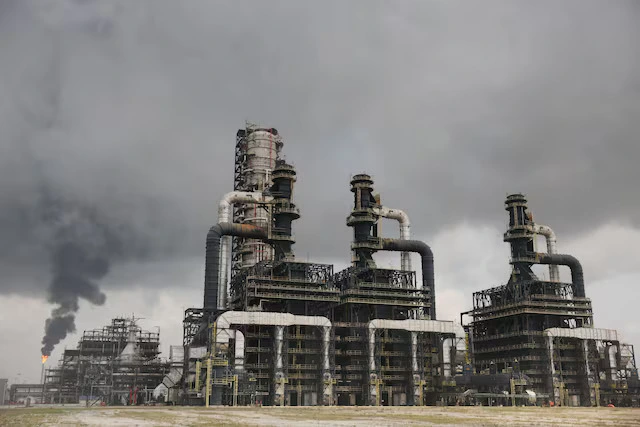
The Nigerian government has suspended gasoline import licences as part of its ongoing enforcement of the Petroleum Industry Act (PIA). The move is aimed at encouraging local refining and energy independence, reducing reliance on imported fuel, and addressing recurring fuel shortages in the country.
Strengthening Domestic Refineries
This policy is expected to support domestic refineries such as the Dangote Refinery, which is now among the largest in Africa. By prioritizing local production, the government aims to create jobs, strengthen the domestic energy sector, and reduce the economic strain of fuel imports.
“By suspending import licences, we are sending a clear signal that Nigeria intends to rely on its own refining capacity. This is a step toward energy independence and more stable fuel supply for our citizens.”- According to an energy ministry official
more stable fuel supply for our citizens.”- According to an energy ministry official
The decision comes at a time when global oil prices are rising, largely due to ongoing conflicts in the Middle East. Experts say that reducing dependence on imported fuel will shield Nigeria from international price shocks and support long-term economic stability.
Benefits for Nigerians
The suspension of gasoline import licences could have multiple benefits for Nigerians:
Reduced fuel shortages: Local refineries can meet domestic demand more effectively.
Job creation: Growth in refinery operations and associated sectors could generate employment.
Economic savings: Less reliance on expensive imported fuel can help stabilize prices and reduce the strain on Nigeria’s foreign reserves.
Industry analysts note that while the transition may take time, investing in local refining capacity positions Nigeria as a self-reliant energy nation and could eventually make fuel more affordable and accessible.
Nigeria’s suspension of gasoline import licence signals a decisive shift toward local refining and energy self-sufficiency. By strengthening domestic refineries, protecting the economy from global price fluctuations, and creating jobs, the policy could reshape the country’s energy landscape. As the Dangote Refinery and other facilities expand output, Nigerians may soon experience more stable fuel availability and long-term economic benefits.