Rising Drug Abuse Among Nigerian Youths: Foundation Sounds the Alarm
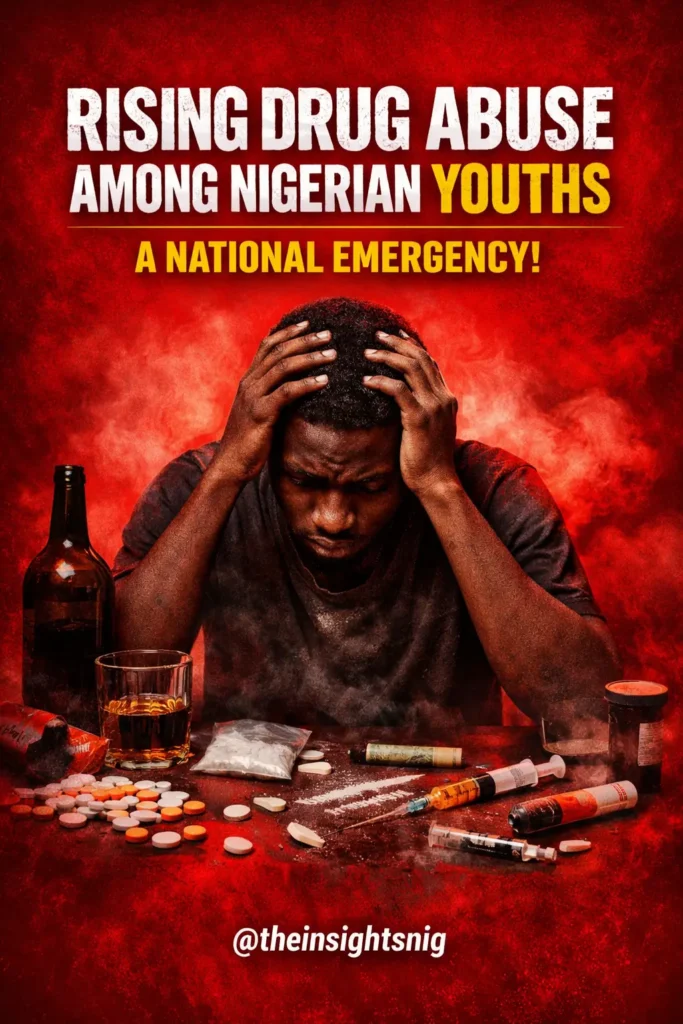
The Sir Ahmadu Bello Memorial Foundation (SABMF) has raised serious concerns over the growing menace of drug and substance abuse among Nigerian youths, warning that the trend has reached national emergency levels. Experts say the issue, if left unaddressed, could undermine the country’s socio-economic stability and future development.
The warning came in a statement by the Foundation’s Director-General, Abubakar Umar, following its March edition of the Monthly Virtual Mentorship Programme, where professionals examined the causes, impacts, and solutions to youth drug abuse in Nigeria.
Understanding Drug Abuse
Drug abuse refers to the use of illegal substances or the misuse of prescription or over-the-counter drugs, often in excessive amounts or for unintended purposes. This dangerous habit can lead to social, physical, emotional, and job-related problems, affecting both individuals and society at large.
During the mentorship session, Muhammad Kasim, in his presentation titled “Drugs and Substance Abuse Among Youth: Socio-Economic Implications on the Society,” highlighted alarming statistics:
Nigeria’s drug use prevalence rate is 14.4%, representing about 14.3 million people.
Young people make up a significant proportion of this figure, meaning the future workforce is under threat.
“The scale of drug use in Nigeria is deeply worrying, particularly because a large percentage of those affected are youths who should be at the peak of their productivity,” Kasim said.
Consequences of Rising Drug Abuse
The Foundation emphasized that the growing availability and use of both conventional and synthetic drugs among youths has severe consequences for:
Public health – rising addiction and mental health disorders
Economic productivity – declining workforce efficiency
National security – higher crime rates linked to substance abuse
Social structures – weakened families and community cohesion
Northern Nigeria is particularly vulnerable due to socio-economic challenges like poverty, unemployment, low school enrolment, and a high number of out-of-school children, which create fertile ground for substance abuse.
Recommendations to Tackle the Menace
SABMF called for urgent, coordinated, and sustained action involving all stakeholders, recommending:
Education & Awareness – Integrate drug education into school curricula and run community campaigns to encourage behavioral change.
Treatment & Rehabilitation – Expand affordable rehab facilities and integrate mental health services into primary healthcare.
Stronger Enforcement – Strengthen the National Drug Law Enforcement Agency and improve collaboration with security and regulatory bodies.
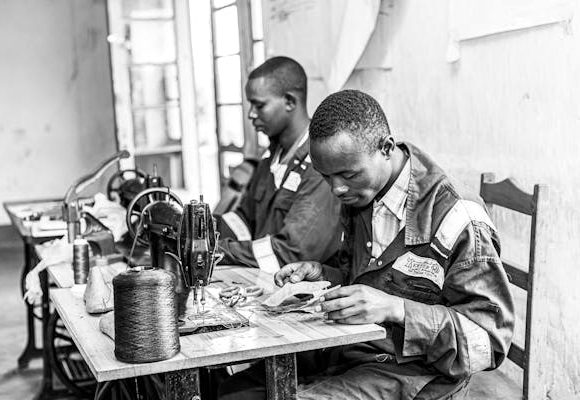
Youth Empowerment – Invest in skills acquisition, vocational training, and entrepreneurship programs to reduce unemployment and vulnerability.
Address Socio-Economic Drivers – Improve access to quality education and create opportunities for disadvantaged populations.
Data-Driven Policies – Use monitoring and evaluation frameworks to guide effective interventions and track progress.
“Drug abuse among youths is not just a health issue; it is a developmental emergency with far-reaching consequences for Nigeria’s stability, security, and economic growth,” the Foundation stressed.
The fight against drug abuse requires collective effort from government, communities, parents, and youths themselves. By focusing on education, empowerment, treatment, and enforcement, Nigeria can protect its young population and secure a stable, productive, and prosperous future.