Home Posts tagged Nigerian economy (Page 2)

Bankit MFB Showcases Fintech Innovation at GITEX Africa 

Bankit Microfinance Bank, Nigeria’s fast-rising digital bank, recently showcased its innovation journey at GITEX Africa, one of the continent’s largest platforms for technology and innovation. The bank, licensed by the Central Bank of Nigeria (CBN) and insured by the NDIC, has been in operation for just eight months but has already become a trusted name […]

Tinubu’s Road Projects in South-East: Minister Umahi Clears the Air, Highlights Ongoing Developments 

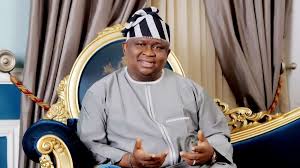
Minister of Works, Engr. David Umahi, has reassured Nigerians—especially those in the South-East—that the region is receiving its fair share of road infrastructure projects under President Bola Tinubu’s Renewed Hope Agenda.  He made this clarification following a viral article alleging that the South-East zone was excluded from national road plans. Umahi dismissed the

Income Below ₦800,000 Now Tax-Free 

Senator Solomon Adeola, Chairman of the Senate Committee on Finance  In a welcome development for many Nigerians, the federal government has implemented a tax reform that exempts individuals earning ₦800,000 or less annually from paying personal income tax. This policy is part of broader efforts to reduce the financial burden on low-income earners and small […]

Understanding the Market Forces Behind Petrol Price Reductions 

Reduction in petrol prices by Dangote Refinery – insightsng This article explores the recent reduction in petrol prices by Dangote Refinery, emphasizing the role of market forces, the importance of local production, and lessons for Nigerians in building sustainable businesses and reducing reliance on imports.  The Role of Market Dynamics  The recent reduction in the

Sukuk FG Raises N11 Trillion to Fund 124 Road Projects

Sukuk and other Islamic finance instruments – ARDnig The Federal Government has raised N1.1 trillion through Sukuk to finance 124 road projects, impacting over 5,820 kilometers across Nigeria. The success of Islamic finance extends to mutual funds, Shariah-compliant stocks, and real estate investments. With government backing and fintech innovations, Nigerians have