Global Energy Crisis and Rising Fuel Prices: How Middle East Tensions Are Driving Inflation Worldwide
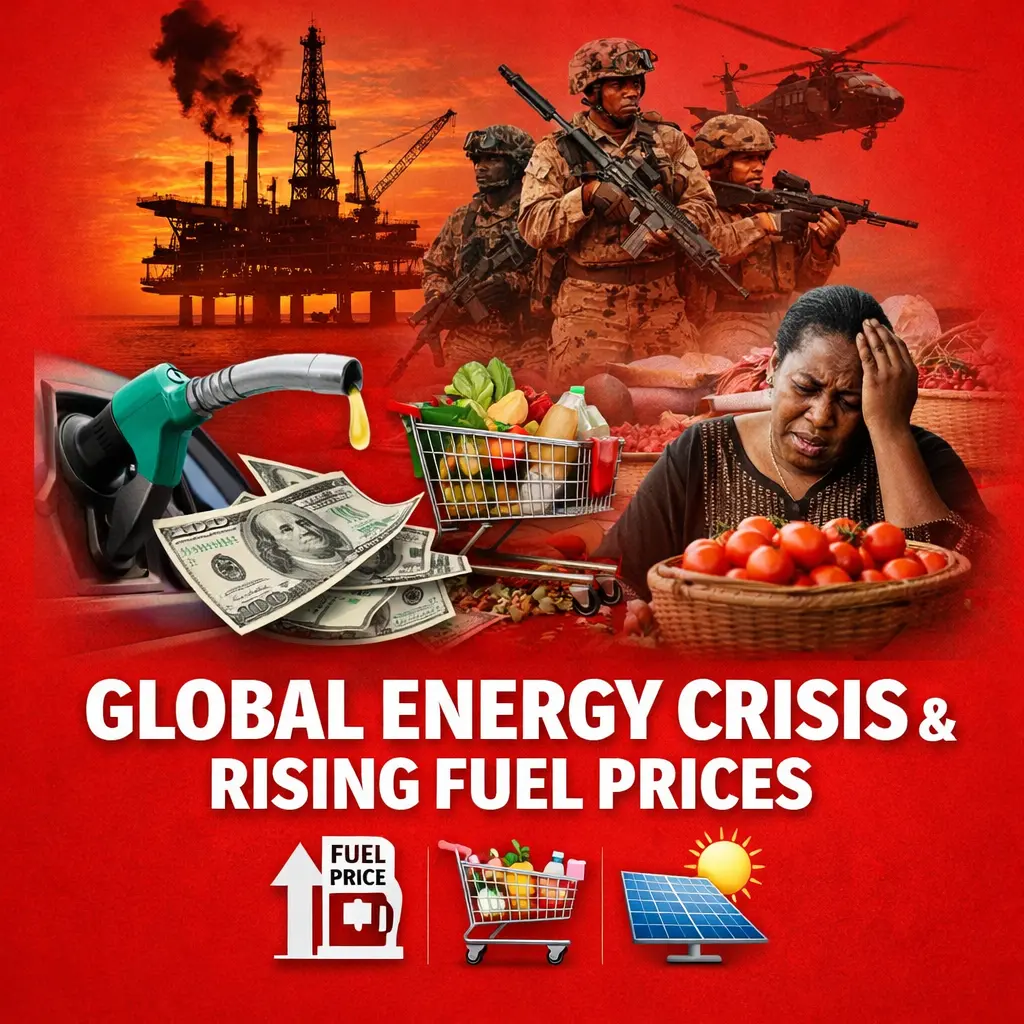
Global energy crisis and rising fuel prices are being fuelled by Middle East tensions affecting oil supply, increasing transport costs, business expenses, and inflation—learn how it impacts Nigeria and practical steps to manage the effects.
Understanding the Global Energy Crisis in 2026
The world is currently experiencing a renewed global energy crisis, largely influenced by ongoing geopolitical tensions in the Middle East, especially involving Iran. These tensions have disrupted global oil supply chains, creating instability in the energy market.
Oil remains one of the most important resources driving transportation, manufacturing, and daily living costs. As supply becomes uncertain, prices naturally rise—affecting both developed and developing economies.
Why Fuel Prices Are Increasing Globally
The disruption in oil supply has created a ripple effect across global markets. When oil production or transportation is threatened, investors react quickly, causing price volatility.
“Global growth has been cut as oil market disruptions continue.”
This reflects how deeply energy instability affects the global economy.
Key Drivers of Rising Fuel Prices:
Political tensions in oil-producing regions
Reduced oil supply routes and exports
Increased global demand post-economic recovery
Currency fluctuations affecting import costs
How Rising Fuel Prices Affect Everyday Life
The impact of fuel price increases is not limited to oil companies—it affects ordinary people and businesses everywhere.
1. Higher Transportation Costs
As fuel prices rise, transport fares increase, making commuting more expensive for workers and students.
2. Increased Cost of Goods and Food
Transport is a major part of supply chains. When fuel costs go up, food and goods also become more expensive.
3. Pressure on Businesses
Small and medium-sized businesses face higher operating costs, especially those dependent on generators, logistics, and delivery services.
4. Rising Inflation in Developing Countries
Countries like Nigeria feel the impact more strongly due to import dependence and currency challenges, leading to higher inflation rates.
What This Means for Nigeria
For Nigeria, where fuel prices already significantly influence daily life, global oil instability adds another layer of pressure.
Transport fares may continue to fluctuate
Small businesses may struggle with energy costs
Household expenses may increase
Energy insecurity may push demand for alternatives
Practical Ways to Reduce the Impact
While individuals cannot control global oil prices, they can adapt smartly to reduce personal and business impact.
1. Reduce Fuel Dependence
Use public transportation when possible
Carpool with colleagues or neighbours
Combine errands to reduce trips
2. Adopt Energy-Efficient Practices
Use energy-saving appliances
Optimize business operations to reduce fuel usage
Maintain vehicles regularly for better fuel efficiency
3. Explore Renewable Energy Alternatives
Solar energy is becoming increasingly relevant in Nigeria due to rising electricity and fuel costs. Investing in solar systems can reduce long-term expenses.
4. Budget for Inflation
Track monthly expenses carefully
Prioritize essential spending
Build emergency savings where possible
Long-Term Outlook
Experts believe that global energy markets will remain volatile as geopolitical tensions continue. However, this period is also accelerating innovation in renewable energy and alternative fuel solutions.
Countries and individuals that adapt early are more likely to manage costs and remain financially stable.
The global energy crisis is more than a headline—it is a real economic force affecting transportation, food prices, business operations, and inflation worldwide. For countries like Nigeria, the impact is even more visible in daily life.
However, with smarter energy use, financial planning, and gradual adoption of renewable alternatives, individuals and businesses can reduce their exposure to rising fuel costs and build long-term resilience.