Dangote Refinery Becomes World’s Largest Jet Fuel Exporter: What It Means for Nigeria’s Economy and Air Travel
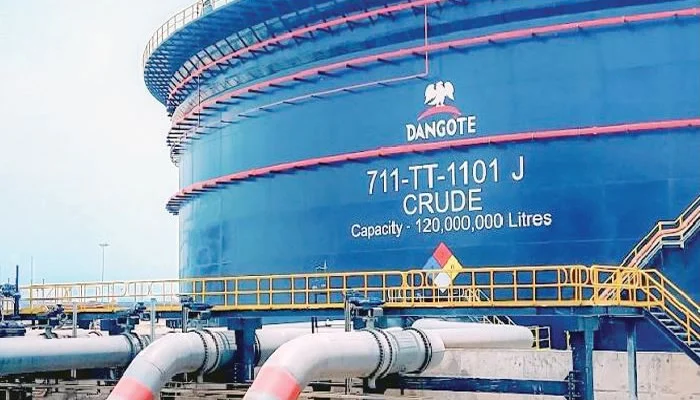
Nigeria has recorded another major milestone on the global energy stage as Dangote Refinery reportedly became the world’s largest exporter of aviation fuel (Jet A1) in April 2026.
According to a report by S&P Global Energy, the refinery achieved this feat following disruptions in global fuel supply chains caused by tensions and conflicts in the Middle East. The development has positioned Nigeria as an increasingly important player in the international energy market while creating potential benefits for businesses and consumers at home.
How Dangote Refinery Reached the Top
The report revealed that the refinery switched to what industry experts described as “max jet mode” after global supply routes were disrupted.
As aviation fuel supplies from some traditional exporting regions became less predictable, buyers began seeking alternative suppliers. This created an opportunity for Dangote Refinery, which has now reached its full production capacity of approximately 650,000 barrels per day.
The refinery’s ability to maintain high output levels and adapt production to global demand helped it become the leading exporter of aviation fuel during the period.
Learn More:
Why This Matters to Nigerians
The achievement is more than just an international ranking. It has several potential benefits for Nigerians.
1. Increased Foreign Exchange Earnings
As Dangote Refinery exports more fuel products to international markets, Nigeria stands to earn more foreign exchange. Increased export earnings can strengthen the economy and reduce dependence on imported petroleum products.
2. Improved Fuel Supply Stability
With a large-scale refinery operating locally, Nigeria may experience improved fuel availability and reduced vulnerability to global supply disruptions.
3. Support for the Aviation Industry
Earlier this year, the refinery reduced the ex-depot price of aviation fuel and introduced a 30-day interest-free credit facility for airline operators and fuel marketers.
These measures are expected to help airlines manage costs and potentially reduce pressure on airfares over time.
Dangote’s Global Expansion Plans
The refinery is not stopping at its current achievements.
According to its Chief Executive Officer, David Bird, the company plans to expand operations significantly by:
- Processing a wider variety of crude oil grades.
- Increasing crude sourcing from the United States, the Middle East, and South America.
- Pursuing long-term agreements with airlines, governments, and energy companies.
- Developing storage and logistics infrastructure across Africa.
- Expanding production capacity toward a long-term target of 1.4 million barrels per day.
These plans could further strengthen Nigeria’s position as a major energy hub in Africa.
The Impact of Global Events on Fuel Markets
The refinery’s rise was partly driven by disruptions in global fuel trade following tensions involving the United States, Iran, and Israel.
The Strait of Hormuz, one of the world’s most important oil shipping routes, experienced periods of uncertainty, affecting global fuel movement and increasing demand for alternative suppliers.
As a result, buyers turned to producers outside the Middle East, creating an opportunity that Dangote Refinery successfully leveraged.
“Nigeria’s emergence as a leading aviation fuel exporter demonstrates how local industrial investments can create global opportunities while supporting economic growth at home.”
What Nigerians Should Watch Going Forward
While this achievement is significant, Nigerians will be looking to see whether increased refining capacity translates into:
- More stable fuel prices.
- Lower aviation operating costs.
- Increased job creation.
- Greater foreign investment.
- Stronger economic growth.
The long-term impact will depend on how effectively local production supports domestic industries while competing in global markets.
The emergence of Dangote Refinery as the world’s largest jet fuel exporter marks an important moment for Nigeria’s energy sector. Beyond the international recognition, the development highlights the growing role of local refining in strengthening the economy, supporting the aviation industry, and positioning Nigeria as a key player in global fuel markets.
If sustained, this achievement could contribute to improved energy security, increased export revenue, and new opportunities for economic development across the country.