Abia First Lady Empowers FGM Survivors, Calls for Stronger Action to End Harmful Practice
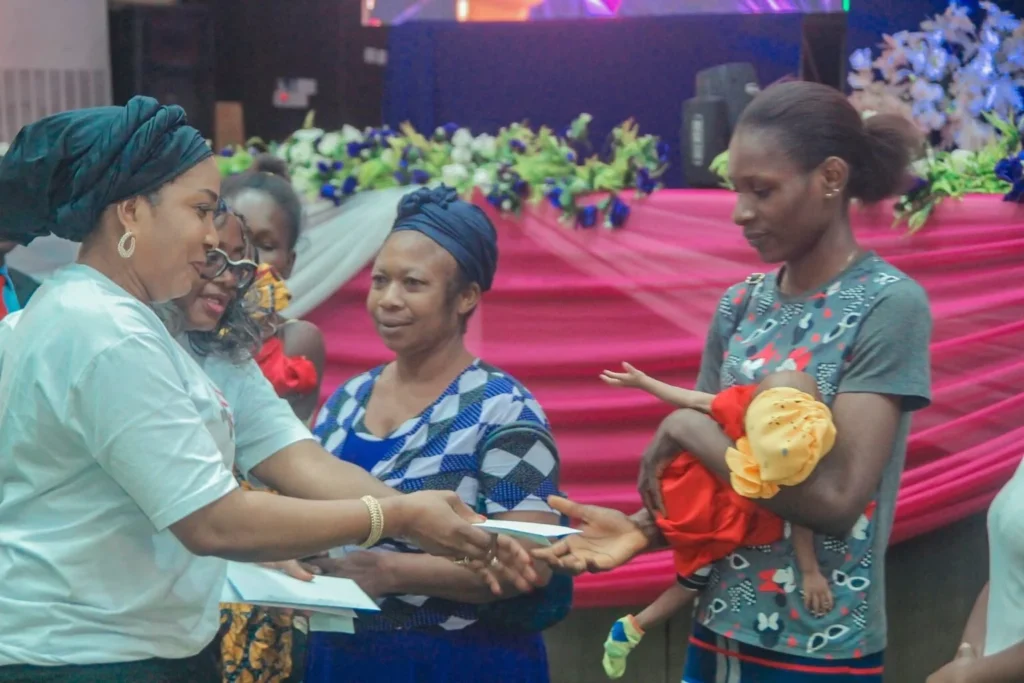
The Wife of the Governor of Abia State, Mrs Priscilla Otti, has empowered five survivors of Female Genital Mutilation (FGM) with cash support and renewed the state’s commitment to ending the harmful practice.
She made this call in Umuahia while marking the International Day of Zero Tolerance for Female Genital Mutilation, describing FGM as a serious violation of the rights, dignity and safety of girls and women.
FGM has no health benefits and often exposes victims to pain, emotional trauma, infections, childbirth complications and long-term psychological effects.
Abia State’s Legal Position on FGM
Mrs Otti reminded residents that Abia State has fully domesticated the Violence Against Persons (Prohibition) Act (VAPP Act), which clearly criminalises female genital mutilation.
“Culture is meant to protect life and dignity. Any practice that harms girls and violates their bodily autonomy is not culture; it is violence.”
She stressed that although the law exists, real change requires strong enforcement, community education, reporting and continuous advocacy.
Stakeholders Call for Community Action
The Commissioner for Women Affairs, Dr Maureen Aghukwa, represented by the Senior Special Assistant on Women Affairs, Mrs Chinenye Nwaka, said FGM continues to affect millions of girls despite global campaigns.
Civil society organisations, including the Child Protection Network, Caritas Nigeria and FIDA, also agreed that laws alone cannot end FGM. They called for long-term investments, public awareness and grassroots engagement.
The Abia State Government reaffirmed its goal to eliminate FGM by 2030.
How You Can Be Part of Ending FGM
Every Nigerian can support this movement in simple but powerful ways:
Speak up in your community – challenge harmful beliefs during family meetings, church gatherings and community forums.
Report suspected cases to the Ministry of Women Affairs, child protection offices or trusted NGOs.
Volunteer or partner with organisations working on girl-child protection and community sensitisation.
Support survivors by sharing verified information on where they can access counselling, legal help and social support.
Engage traditional and religious leaders and encourage them to openly condemn the practice.
Ending female genital mutilation is possible when communities, government, traditional leaders and civil society work together. Protecting girls today protects families, communities and Nigeria’s future. Everyone has a role to play in making Abia State and Nigeria completely free from FGM.