Fake Products in Nigeria: 7 Simple Ways to Identify Genuine Products
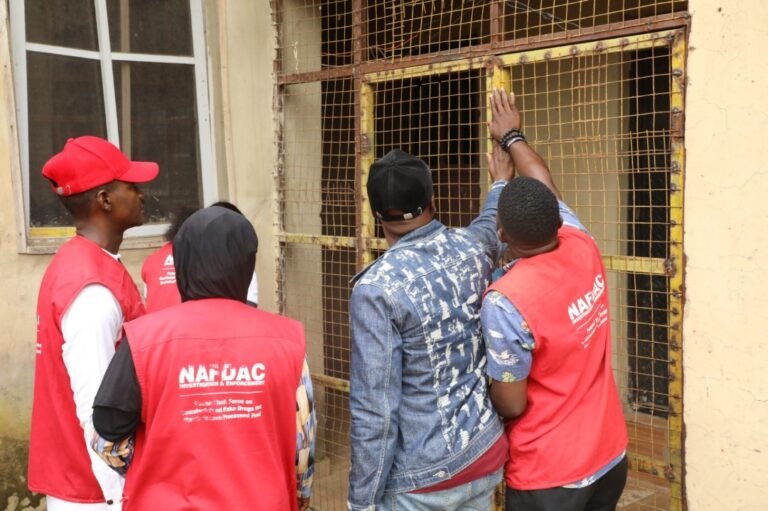
Photo Credit : NAFDAC
Counterfeit products are becoming a growing concern in Nigeria, raising health, safety and economic risks for consumers and legitimate businesses. Fake food, cosmetics, household products and other goods can expose consumers to serious harm, while counterfeiters undermine genuine manufacturers.
Health professionals and industry stakeholders have called for stronger regulation, tougher penalties and better market surveillance by agencies including NAFDAC and the Standards Organization of Nigeria (SON).
“We should not have to gamble with our health every time we go to the market.”
How to Identify Genuine Products
1. Check the packaging carefully
Look for poor printing, spelling mistakes, unusual colors, broken seals, or badly positioned labels. Genuine manufacturers usually maintain consistent packaging quality.
2. Check registration numbers
For regulated products such as medicines and foods, look for the NAFDAC registration number. You can verify it through NAFDAC’s official product verification system.
Verify products on NAFDAC’s official portal
3. Look for SON certification marks
For applicable products, check for recognized SON certification marks, including MANCAP and NIS marks. SON says certified products can be identified through these marks on the product or packaging.
Check SON product certification information
4. Inspect dates and batch information
Check the manufacturing date, expiry date, batch number, and manufacturer details. Avoid products with altered, unclear, or suspicious markings.
5. Compare the product
If the price, packaging, colour, smell, texture, or quality is significantly different from what you normally know, pause before buying.
6. Buy from trusted sellers
Use reputable shops, authorized distributors, and registered outlets where possible. Be especially careful with unusually cheap products from unknown sellers.
7. Don’t ignore warning signs
If a product appears suspicious, don’t use or consume it. Keep the packaging and report concerns to the appropriate regulator.
Fake products are not bargained when they put lives at risk. Consumers can reduce the danger by checking labels, verifying registration numbers, examining packaging and buying from trusted sources. Stronger enforcement and informed consumers are essential to protecting public health and legitimate businesses.