US Steps Up Intelligence and Equipment Support for Nigeria’s Fight Against Terrorism
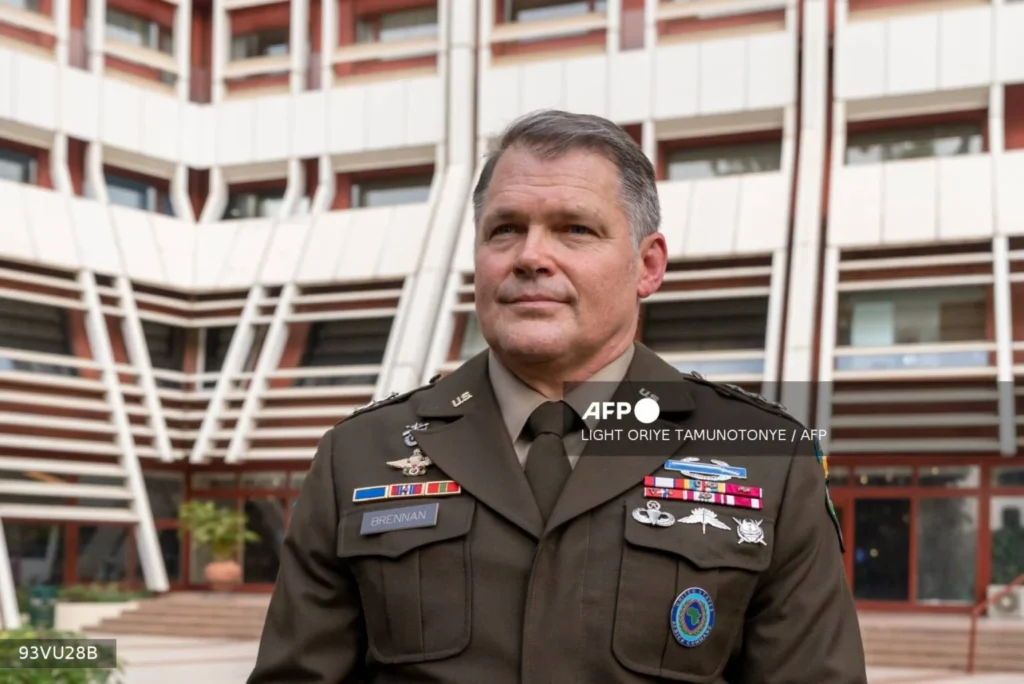
The United States military has announced an increase in intelligence sharing and equipment support for Nigeria as part of a broader effort to combat Islamic State (IS)-linked militants across Africa. This was disclosed by Lieutenant General John Brennan, Deputy Commander of the US Africa Command (AFRICOM), during a recent US–Nigeria security meeting held in Abuja.
According to Brennan, the renewed cooperation reflects Washington’s decision to work more closely with African militaries by providing them with the tools and information they need to confront growing security threats.
Why This Matters for Nigerians
Nigeria has battled insurgency and violent extremism for over a decade, especially in the North-East and, more recently, in parts of the North-West. Groups such as Boko Haram and the Islamic State West Africa Province (ISWAP) have continued to exploit poverty, weak state presence, and insecurity in rural communities.
With improved intelligence sharing, Nigerian forces are expected to better identify militant hideouts, prevent attacks, and protect civilians. The US also plans to support Nigerian air operations, particularly in Sokoto State and the North-East, where terrorist activity remains intense.
“It’s been about enabling partners and providing them equipment and capabilities with fewer restrictions so they can be more successful,” Brennan said.
Beyond Nigeria: A Regional Approach
The US believes terrorism in Africa is interconnected. Brennan explained that threats stretching “from Somalia to Nigeria” require coordinated action. As a result, the US has continued intelligence collaboration with military governments in Burkina Faso, Mali, and Niger, despite political tensions following recent coups.
Although American troops were withdrawn from Niger, Brennan stressed that the US is not seeking to establish new military bases in West Africa. Instead, the focus is on rapid intelligence support and capacity-building rather than long-term presence.
Addressing Sensitive Issues
The renewed cooperation comes amid diplomatic pressure from Washington over claims of religious violence in Nigeria. While some US officials have emphasized protecting Christians, Nigerian authorities and independent analysts maintain that terrorism affects both Muslims and Christians.
Brennan clarified that US intelligence support is not limited to any religious group but aimed at tackling terrorism broadly.
For Nigerians, this development offers cautious hope. Increased intelligence, better equipment, and closer international cooperation could strengthen Nigeria’s ability to reduce terrorist attacks and restore safety in affected regions. However, experts note that military action alone is not enough. Long-term peace will also depend on addressing poverty, governance, and development in vulnerable communities.