₦10 Million Empowerment Fund for Ayobo-Ipaja Residents: A Step Toward Community Growth
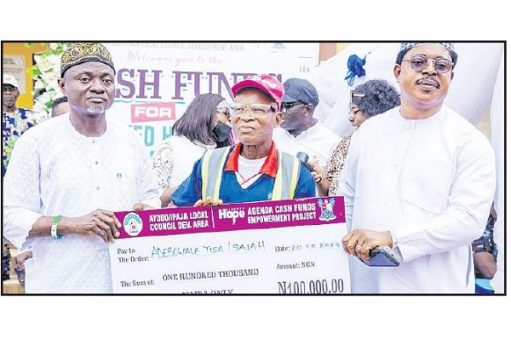
In a move to reduce poverty and boost grassroots development, the Ayobo-Ipaja Local Council Development Area (LCDA) in Lagos State has disbursed ₦10 million to 100 residents under its micro-enterprise support initiative. Each beneficiary received ₦100,000 to either start or expand their small business — a gesture aimed at improving livelihoods and strengthening the local economy.
The council chairman noted that this empowerment scheme is part of ongoing efforts to create jobs, encourage entrepreneurship, and reduce dependency on government support. Many beneficiaries include women, youths, and artisans who are determined to use this opportunity to change their lives and uplift their families.
A Model for Poverty Reduction
This initiative highlights the power of local government involvement in economic development. While national programs often take time to reach individuals, LCDA-led empowerment directly impacts communities faster. The Ayobo-Ipaja example shows how small funds can make a big difference — turning unemployed residents into business owners.
It also demonstrates how collaboration between government, private organizations, and NGOs can help build sustainable systems that truly lift people out of poverty. Such programs can be replicated across Nigeria to drive economic independence and community growth.
How You Can Be Part of the Change
You can benefit or get involved in several ways:
✅ Stay informed – follow your local council’s updates on empowerment programs.
✅ Join local cooperatives or skill programs – many councils and NGOs partner through these platforms.
✅ Support local businesses – every small purchase keeps someone’s dream alive.
✅ Volunteer or donate – your contribution, no matter how small, can help another person rise.
“When communities invest in their people, the ripple effect of progress reaches everyone.”
The Ayobo-Ipaja empowerment scheme is a shining example of how targeted local initiatives can break the cycle of poverty. If other communities adopt similar models, more Nigerians will gain financial independence, skills, and hope for a better future.