CBN Recapitalisation Update: What It Means for Nigerian Banks, Customers, and the Economy
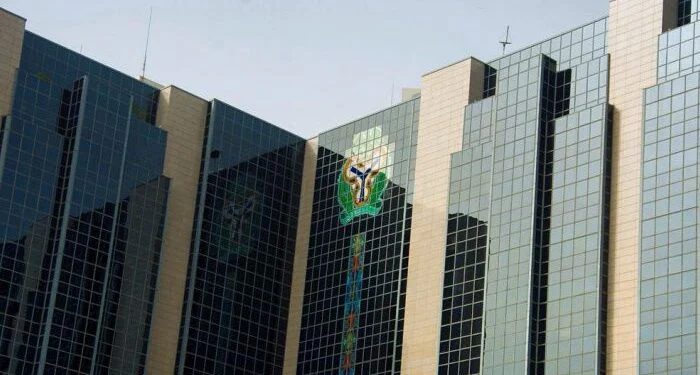
Nigerian Banks Race to Meet CBN Capital Requirements as Five Banks Face Regulatory Challenges
Nigeria’s banking sector is currently undergoing one of its biggest financial reforms in years as the Central Bank of Nigeria pushes banks to meet new recapitalisation requirements aimed at strengthening the country’s financial system.
The development has become a major topic among Nigerians, investors, business owners, and bank customers after reports revealed that five Nigerian banks are yet to fully meet the new capital thresholds introduced by the CBN.
According to the apex bank, 33 out of 37 banks have successfully met the revised capital requirements, raising over ₦4.65 trillion through rights issues, private placements, and public offers.
What Is Bank Recapitalisation?
Bank recapitalisation simply means increasing the amount of money and assets banks have available to operate safely and support economic growth.
The recapitalisation programme was introduced by the CBN in 2024 to ensure Nigerian banks remain strong enough to:
Handle economic shocks
Finance large businesses and infrastructure projects
Protect customers’ deposits
Support Nigeria’s goal of becoming a stronger economy
Under the policy, banks were required to meet new minimum capital thresholds based on their licence categories.
Why the CBN Introduced the New Capital Requirements
The CBN explained that the exercise became necessary due to inflation, exchange rate pressures, global financial uncertainties, and the need to position Nigerian banks for long-term stability.
CBN Governor Olayemi Cardoso said the recapitalisation programme is helping to strengthen the resilience of Nigeria’s financial system and improve investor confidence.
The banking regulator also believes stronger banks will be better positioned to:
Support businesses with larger loans
Improve digital banking infrastructure
Attract foreign investment
Reduce risks of bank failures
Five Banks Yet to Meet Targets
Although most banks have complied, reports indicate that five banks are still facing legal and regulatory challenges affecting their recapitalisation process.
However, the CBN has reassured Nigerians that the affected banks will continue normal operations while regulatory processes continue.
This assurance helped calm fears among customers worried about the safety of their savings and banking transactions.
Possible Mergers and Acquisitions Ahead
Financial analysts believe the recapitalisation exercise could lead to mergers and acquisitions within Nigeria’s banking industry.
Some smaller banks may choose to:
Merge with larger banks
Attract foreign investors
Downgrade their banking licences
Restructure operations
Reports suggest consolidation may become one of the defining features of Nigeria’s banking sector in 2026.
How This Affects Nigerians
The recapitalisation exercise could have both short-term and long-term effects on Nigerians.
Possible Benefits
Stronger and safer banks
Better access to loans for businesses
Improved banking technology
Increased investor confidence
More stable financial institutions
Possible Concerns
Potential bank mergers
Temporary uncertainty among customers
Changes in banking operations
Stricter lending conditions
Despite concerns, experts believe the reform could ultimately make Nigeria’s banking sector more competitive globally.
CBN Maintains Interest Rate Amid Economic Reforms
As part of broader economic management efforts, the CBN recently retained the Monetary Policy Rate at 26.5 percent during its latest Monetary Policy Committee meeting.
The move is aimed at controlling inflation and maintaining economic stability while the banking reforms continue.
“The recapitalisation programme has strengthened the capital base of Nigerian banks.” — CBN Governor, Olayemi Cardoso
Nigeria’s banking recapitalisation exercise marks a major turning point for the country’s financial sector. While concerns remain over the few banks still working to meet requirements, the CBN insists the system remains stable and customer funds are safe.
For Nigerians, the reform could eventually lead to stronger banks, better financial services, improved investor confidence, and a more resilient economy capable of supporting national growth.
As the process continues, many Nigerians will be watching closely to see how the affected banks respond and whether mergers or restructuring will reshape the future of banking in the country.