Lagos Mobility Plan 2050: Why Rail, BRT, and Ferries Are the Future of Transportation in Lagos
Lagos is making a bold move that could completely change how millions of people move around the city.
Instead of building more roads, the state is now focusing on rail, Bus Rapid Transit (BRT), and ferry services as the backbone of its transportation system under the 2050 Mobility Master Plan.
This shift is not just a policy update—it is a major solution to congestion, long travel hours, and population growth.
Why Lagos Is Moving Away from Road Expansion
For years, Lagos has relied heavily on road construction to ease traffic. But with a rapidly growing population, that approach is no longer effective.
According to the Lagos Metropolitan Area Transport Authority (LAMATA), the city already records over 20 million daily trips, making congestion a serious challenge.
“Expanding road infrastructure alone can no longer solve Lagos’ congestion challenges.”
With projections showing Lagos could reach 45 million residents by 2050, a smarter and more sustainable solution is needed.
The New Strategy: A Multimodal Transport System
The updated plan focuses on creating a connected transport network where different systems work together.
Key Priorities:
Expansion of rail systems
Stronger and cleaner BRT network
Structured ferry services
Improved last-mile connectivity
This means commuters will be able to combine transport options easily, reducing stress and travel time.
Rail Transport: The Backbone of the Future
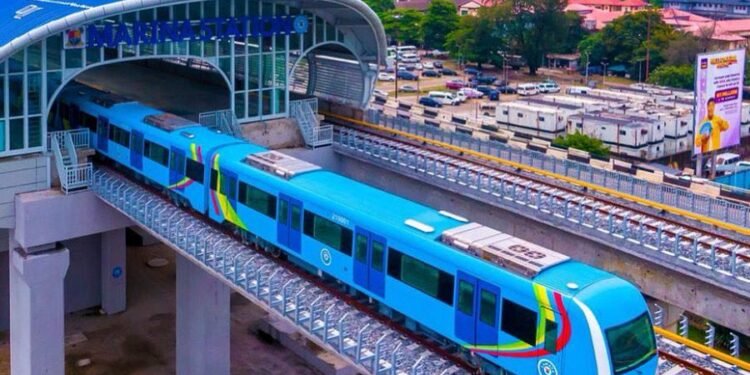
Rail is at the centre of Lagos’ long-term mobility strategy.
What You Should Know:
Six rail lines are planned across the state
The Blue Line (Marina–Mile 2) and Red Line (Oyingbo–Agbado) are already operational
Expansion projects are ongoing
The proposed Green Line, a multi-billion-dollar project, is also in development and expected to connect key economic zones.
BRT System: Cleaner and More Efficient
The BRT system will also undergo major improvements.
Planned Upgrades:
Transition to clean energy buses
Deployment of high-capacity articulated buses
Expansion of routes across Lagos
By 2050, Lagos aims for over 50% of BRT buses to run on clean energy, reducing pollution and improving efficiency.
Ferry Services: Unlocking Water Transport
Water transport is another major focus area.
The Omi Eko Project:
€410 million investment
15 ferry routes
25 terminals
Over 75 electric ferries
When completed, this system is expected to move up to 25 million passengers annually, easing pressure on roads.
Data-Driven Planning for a Growing City
LAMATA has carried out:
Multimodal transport surveys
A new travel demand model
These tools help the government understand how people move and plan better infrastructure for the future.
What This Means for Lagos Residents
✔ Shorter Travel Time
Less traffic and faster movement across the city
✔ Lower Transport Stress
More reliable and structured systems
✔ Better Job & Business Opportunities
Improved connectivity boosts economic growth
✔ Cleaner Environment
Reduced emissions from fewer cars and cleaner buses
From Road Dependency to Smart Mobility
Lagos has long struggled with congestion due to:
Rapid urbanisation
Heavy reliance on cars
Limited alternative transport systems
This new plan marks a turning point—moving from road-heavy solutions to a balanced, modern transport network.
The Lagos Mobility Plan 2050 is more than a transport policy—it is a vision for a smarter, faster, and more sustainable city.
By prioritizing rail, BRT, and ferries, Lagos is positioning itself to handle future growth while improving the daily lives of millions.
If successfully implemented, this plan could redefine transportation not just in Lagos—but across Nigeria.