Nigeria’s Creative Industry Creating Jobs for Youth: How Young Nigerians Can Benefit from Growing Opportunities
Nigeria’s creative industry is gaining global recognition as a major source of employment, entrepreneurship, and economic growth. Recently, the European Union (EU) highlighted the significant role the sector plays in creating jobs for young Nigerians, especially through the growth of Kannywood, the Hausa-language film industry based in Kano.
The EU noted that the industry is helping thousands of young people turn their talents into sustainable careers while contributing to Nigeria’s economic diversification.
As unemployment remains a challenge for many young Nigerians, the expanding creative sector is opening new doors for actors, filmmakers, content creators, editors, scriptwriters, makeup artists, photographers, musicians, and other creative professionals.
EU Recognises the Impact of Nigeria’s Creative Industry
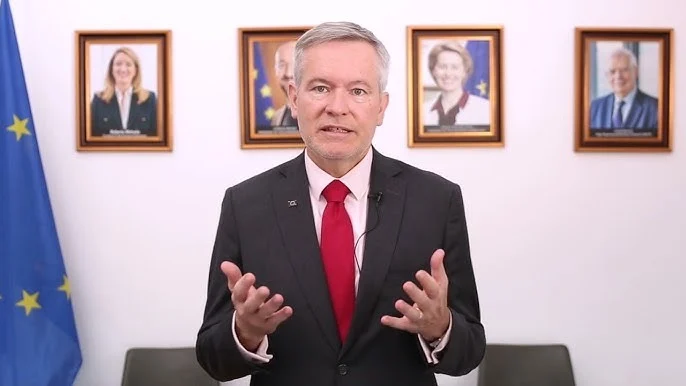
During a visit to Kano Film Village, a delegation led by the EU Ambassador to Nigeria and ECOWAS, Gautier Mignot, praised the contribution of Kannywood to youth employment, skills development, and economic growth.
The delegation included representatives from several European countries, including Denmark, Spain, Italy, France, Belgium, Austria, Finland, and Czechia.
According to the ambassador, creative industries are much more than entertainment.
“Creative industries are not only about culture. They are also about jobs, skills, entrepreneurship and creating opportunities for young people.” –The EU Ambassador to Nigeria and ECOWAS, Gautier Mignot
The EU delegation also emphasized the power of storytelling in promoting education, inclusion, and positive social change.
How Kannywood Is Creating Employment Opportunities
Kannywood has become one of Africa’s largest film ecosystems and continues to create jobs across various sectors.
The industry provides opportunities for:
1. Actors and Actresses
Young people with acting talent can build careers in film production.
2. Scriptwriters
Creative writers can earn income by developing movie scripts and stories.
3. Film Editors
The demand for professional video editing continues to grow as more films and digital content are produced.
4. Makeup Artists and Costume Designers
Movie productions require skilled professionals for character development and styling.
5. Camera Operators and Production Crew
Technical roles remain critical in every stage of filmmaking.
6. Digital Content Creators
Social media has expanded opportunities for creators to monetize their skills beyond traditional film production.
According to industry leaders, thousands of people now earn a living directly or indirectly through Nigeria’s film sector.
Why the Creative Industry Matters for Nigeria’s Economy
The Managing Director of the Nigerian Film Corporation, Ali Nuhu, noted that film production is one of the largest sources of youth employment in Kano State after agriculture.
The impact extends beyond filmmakers.
The sector supports:
Transportation businesses
Hotels and accommodation providers
Fashion and tailoring businesses
Food vendors and catering services
Equipment rental companies
Advertising agencies
Event management firms
This makes the Nigeria Creative Industry Jobs ecosystem a key contributor to economic growth.
EU’s Cultural Partnership Programme Creating New Opportunities
The European Union is expanding support for cultural cooperation through the Africa-Europe Partnerships for Culture initiative.
The programme aims to support:
Artist mobility
Creative collaborations
Cultural exchanges
Skills development
Audiovisual production
Employment generation within the creative sector
For more information, visit:
Africa-Europe Partnerships for Culture
EU International Partnerships – Culture Programmes
How Young Nigerians Can Benefit from the Creative Industry (Step-by-Step Guide)
Step 1: Identify Your Talent
Ask yourself:
Can you act?
Do you enjoy writing stories?
Are you skilled in photography or videography?
Can you edit videos?
Do you create content online?
Choose an area where your passion and skills align.
Step 2: Learn the Necessary Skills
Take advantage of:
Free YouTube tutorials
Online courses
Local workshops
Film training programmes
Digital skills academies
Continuous learning increases your chances of success.
Step 3: Build a Portfolio
Create samples of your work.
Examples include:
Short films
Social media content
Photography projects
Writing samples
Edited videos
A strong portfolio helps attract opportunities.
Step 4: Join Creative Communities
Network with:
Filmmakers
Content creators
Producers
Actors
Industry associations
Many opportunities come through professional connections.
Step 5: Apply for Grants and Programmes
Monitor opportunities from:
EU cultural programmes
International creative grants
Film development initiatives
Youth empowerment programmes
These programmes often provide funding, training, and mentorship.
Step 6: Use Social Media Strategically
Platforms such as Instagram, TikTok, YouTube, Facebook, and X can help showcase your talent and attract clients, sponsors, and collaborators.
Step 7: Stay Consistent
Success in the creative industry often takes time.
Continue building skills, creating content, and networking even when opportunities seem limited.
Challenges Facing Nigeria’s Creative Industry
Despite its growth, the industry still faces several challenges:
Limited funding
Distribution difficulties
Inadequate production infrastructure
Piracy
Limited access to international markets
Industry stakeholders believe that greater investment and partnerships can help address these issues and unlock even more opportunities.
Nigeria’s creative industry is rapidly becoming one of the country’s strongest drivers of youth employment and economic growth. From Kannywood to digital content creation, young Nigerians now have more opportunities than ever to transform their talents into sustainable careers.
With support from international partners such as the European Union and increasing investment in cultural programmes, the future looks promising for creative professionals across the country. Young people who develop their skills, build strong portfolios, and actively seek opportunities can position themselves to benefit from the growing creative economy.