Meet the Chairmen of Nigeria’s 10 Biggest Listed Companies in 2025: Leadership Lessons, Influence, and Business Impact
Nigeria’s corporate landscape in 2025 continues to be shaped by powerful business leaders whose decisions influence industries, investors, jobs, and the nation’s economy. Behind many of the country’s largest publicly listed companies are experienced chairmen providing strategic direction, governance, and long-term vision.
From banking and telecommunications to cement, energy, and consumer goods, these leaders play critical roles in helping companies remain profitable and competitive in difficult economic conditions.
In this article, we take a closer look at the chairmen of Nigeria’s 10 biggest listed companies in 2025, what their companies do, and the lessons Nigerians can learn from their leadership journeys.
Why Company Chairmen Matter in Business Growth
A company chairman is not the same as the CEO. While the CEO manages daily operations, the chairman leads the board of directors and helps shape long-term corporate strategy, governance, and accountability.
Strong chairmen often:
* Guide companies through economic uncertainty
* Protect shareholder interests
* Promote transparency and ethical leadership
* Support innovation and expansion
* Help businesses maintain investor confidence
Their leadership directly affects employment, investment opportunities, and economic development.
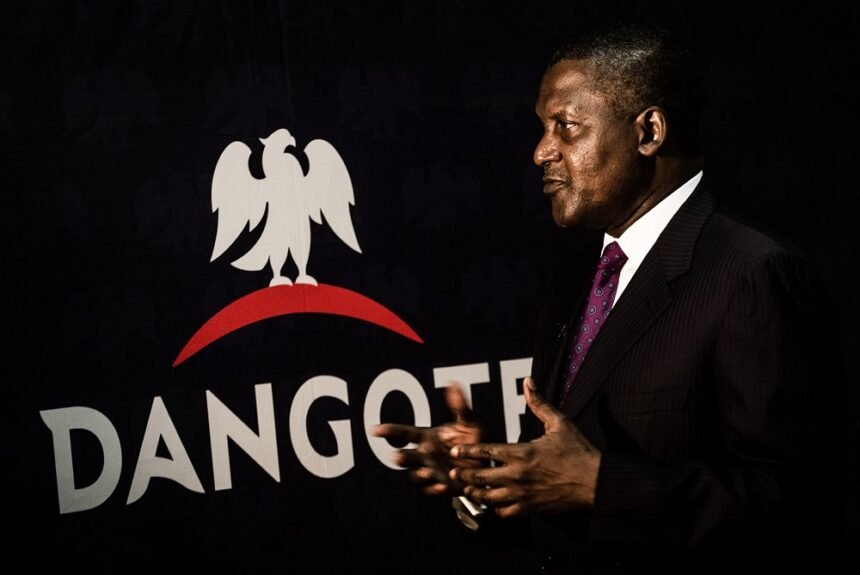
1. Dangote Cement — Chairman: Aliko Dangote
Industry: Cement Manufacturing
As Africa’s largest cement producer, Dangote Cement remains one of Nigeria’s most valuable listed companies in 2025. Under the leadership of Aliko Dangote, the company has expanded across several African countries and strengthened Nigeria’s industrial sector.
Key Lessons from His Leadership
* Invest in industries that solve major national problems
* Think long-term instead of chasing quick profits
* Build businesses that create jobs and infrastructure
Impact on Nigeria
Dangote Cement contributes significantly to infrastructure development, housing, and employment across Nigeria and Africa.
2. MTN Nigeria — Chairman: Ernest Ndukwe
Industry: Telecommunications
MTN Nigeria continues to dominate Nigeria’s telecom industry with millions of subscribers using its data, voice, and fintech services.
Ernest Ndukwe, a respected figure in Nigeria’s telecom sector, has helped strengthen corporate governance and digital innovation.
Leadership Lessons
Technology drives modern economic growth
Strong institutions outlive individuals
Digital transformation creates opportunities for youths
Why It Matters
Telecommunications now power banking, education, entertainment, and remote work in Nigeria.
3. BUA Cement — Chairman: Abdul Samad Rabiu
Industry: Cement and Manufacturing
BUA Cement has become one of the fastest-growing industrial companies in Nigeria. Abdul Samad Rabiu’s leadership style focuses on local production and strategic expansion.
Important Takeaways
Consistency builds business credibility
Local manufacturing strengthens the economy
Competition can improve product quality and affordability
Economic Contribution
BUA Cement supports infrastructure growth while reducing dependence on imports.
4. Airtel Africa — Chairman: Sunil Bharti Mittal
Industry: Telecommunications
Airtel Africa remains one of Africa’s largest telecom providers, with Nigeria being a major market.
Leadership Lessons
African markets have massive growth potential
Innovation and customer service are essential
Businesses must adapt quickly to changing technology
Influence in Nigeria
Airtel’s investments continue to support internet penetration and digital inclusion.
5. Zenith Bank — Chairman: Jim Ovia
Industry: Banking and Financial Services
Zenith Bank remains one of Nigeria’s strongest financial institutions, known for profitability and strong corporate governance.
Lessons Nigerians Can Learn
Discipline and structure matter in business
Reputation is one of a company’s biggest assets
Financial literacy is important for growth
Why Zenith Bank Stands Out
The bank continues to attract investors due to its strong financial performance.
6. Seplat Energy — Chairman: Basil Omiyi
Industry: Energy and Oil & Gas
Seplat Energy has become one of Nigeria’s leading indigenous energy companies.
Leadership Insights
Local companies can compete globally
Energy remains critical to economic development
Sustainable business practices are increasingly important
National Importance
Seplat contributes to energy production, employment, and local content development.
7. Guaranty Trust Holding Company — Chairman: Hezekiah Oyinlola
Industry: Banking
GTCO continues to maintain a strong reputation in banking innovation and customer experience.
Lessons From GTCO’s Growth
Customer trust is essential in finance
Innovation keeps businesses competitive
Strong branding can increase market value
Influence
GTCO’s digital banking innovations continue to shape Nigeria’s financial sector.
8. Nestlé Nigeria — Chairman: David Ifezulike
Industry: Food and Consumer Goods
Nestlé Nigeria remains one of the leading food companies in the country, producing household products consumed daily by millions.
Key Business Lessons
Quality control builds customer loyalty
Food security is vital for national stability
Global standards improve local industries
Economic Impact
The company supports agriculture, manufacturing, and distribution networks nationwide.
9. Nigerian Breweries — Chairman: Sijbe “Siep” Hiemstra
Industry: Brewing and Consumer Goods
Nigerian Breweries remains a major player in Nigeria’s manufacturing sector despite economic pressures.
Leadership Lessons
Adaptability is important during difficult economic periods
Brand loyalty can sustain businesses
Corporate governance builds investor confidence
Role in the Economy
The company supports thousands of jobs across production and distribution channels.
10. UBA Group — Chairman: Tony Elumelu
Industry: Banking and Financial Services
UBA Group operates across several African countries and continues to expand internationally.
Important Lessons from Tony Elumelu
Entrepreneurship can transform Africa
Youth empowerment is critical to economic growth
African businesses should think globally
“The future of Africa lies in the hands of entrepreneurs who can create opportunities and solve problems.” — Tony Elumelu
Broader Influence
Through banking and entrepreneurship initiatives, UBA has empowered many young Africans.
What Nigerians Can Learn from These Business Leaders
The success stories of these chairmen reveal several important lessons:
1. Vision Creates Opportunities
Most of these leaders-built businesses by identifying long-term opportunities before others noticed them.
2. Consistency Matters
Sustainable growth usually comes from years of strategic planning and discipline.
3. Education and Skills Are Important
Many top business leaders invested heavily in learning, networking, and professional development.
4. Innovation Drives Growth
Companies that embrace technology and adaptation continue to outperform competitors.
5. Leadership Is About Impact
Beyond profits, many of these companies contribute to jobs, infrastructure, entrepreneurship, and economic growth.
Nigeria’s biggest listed companies in 2025 are not only economic giants; they are also symbols of leadership, resilience, and innovation. The chairmen behind these organizations continue to shape industries, influence policies, and create opportunities for millions of Nigerians.
For young entrepreneurs, students, and professionals, their stories offer valuable lessons about persistence, strategic thinking, governance, and nation-building. As Nigeria’s economy evolves, strong corporate leadership will remain essential for sustainable growth and development.